
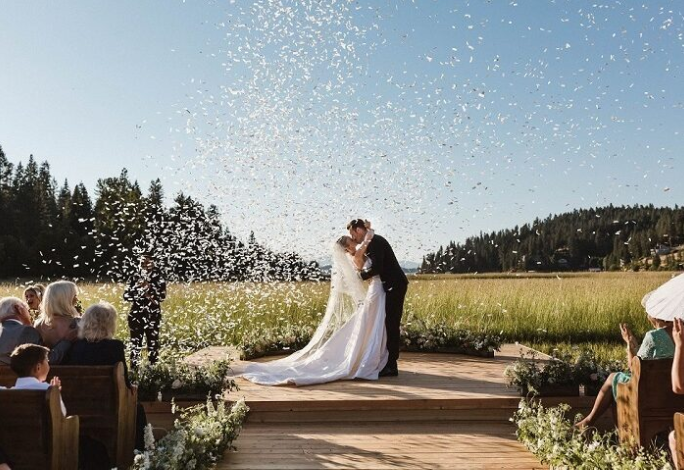

Planning a wedding can be an exciting yet overwhelming process. From selecting the perfect venue to choosing the right dress, every detail plays a crucial role in creating the wedding of your dreams. Below are some of the top considerations for every couple to keep in mind while planning their special day.
1. Budget Planning: The Foundation of Your Wedding
Before diving into the exciting aspects of wedding planning, it’s essential to set a realistic budget. Weddings can be costly, and it’s important to establish how much you are willing to spend. Consider the costs of the venue, catering, photography, flowers, and entertainment. Having a budget in place will help guide your decisions and ensure that you don’t overspend. Don’t forget to leave room for unexpected expenses!
2. Choosing the Right Wedding Venue: Where Dreams Come True
The venue is one of the most significant factors in your wedding planning. Whether you envision a grand ballroom or an intimate garden ceremony, the venue should reflect your personal style and accommodate your guest list. Start by considering the location, accessibility, and available services (like catering and event coordination). It’s also important to book your venue early to secure your preferred date, as many popular venues can book up well in advance.
3. Destination Wedding Venues: Explore the World for Your Wedding
If you’re dreaming of a wedding away from home, a destination wedding might be the perfect choice. From sandy beaches in tropical locations to charming castles in Europe, destination wedding venues offer a unique experience for both the couple and their guests. When selecting a destination wedding venue, consider the travel logistics for your guests, accommodations, and any necessary permits or legal requirements for getting married in a foreign location.
4. Visit a Bridal Shop: Finding the Perfect Dress
The dress is one of the most iconic elements of any wedding, and choosing it can be both thrilling and daunting. Visiting a bridal shop will give you the opportunity to try on various styles and silhouettes to see what flatters your body shape and suits your wedding theme. Keep in mind that wedding dresses often take months to order and alter, so plan accordingly to ensure you have enough time for fittings and adjustments. It’s a good idea to bring along a trusted friend or family member for feedback and support during your bridal shopping experience.
5. Guest List: Who to Invite and How Many
Creating a guest list is a key step in wedding planning. The number of guests will directly affect your budget, venue size, and catering needs. Decide whether you want a large celebration or a more intimate affair. Once you’ve set the tone for your wedding, begin compiling the guest list, making sure to take into account any special needs or accommodations for certain guests. Be mindful of your budget and venue capacity to avoid issues later on.
6. Catering and Menu Selection: A Feast for the Senses
Food is a highlight at most weddings, and the menu should reflect the couple’s tastes and the overall theme of the wedding. Whether you prefer a plated dinner, buffet-style meal, or food stations, catering is an important aspect to consider. Be sure to take into account dietary restrictions and preferences of your guests, offering a variety of options to accommodate different needs. Don’t forget to schedule a tasting with the caterer to ensure the food meets your expectations.
7. Entertainment: Music and Fun for All
The entertainment will set the tone for your wedding reception and keep your guests engaged. Whether you hire a live band, a DJ, or both, the right music can make or break the atmosphere. Consider the type of music that fits your personality and the overall theme of the event. It’s also worth considering other entertainment options, such as photo booths or games, to keep guests entertained throughout the celebration.
8. Wedding Timeline: Staying on Track
Having a clear timeline is key to keeping the wedding day organized and stress-free. Work with your vendors and coordinator to establish a detailed schedule, including when vendors should arrive, when the ceremony will take place, and when dinner will be served. Be sure to allow extra time for unforeseen delays and be flexible with the schedule if necessary.
9. Flowers and Decorations: Creating the Perfect Ambiance
Flowers and decorations will help set the tone for your wedding, transforming a venue into a magical space. Consider the season, color scheme, and theme when selecting your flowers and decor. A floral designer can help you choose the right flowers to complement your venue, while decor such as candles, linens, and table settings can enhance the atmosphere. Don’t forget to factor in the cost of these elements into your budget.
10. Photography and Videography: Capturing Memories
Your wedding day will be full of unforgettable moments, so it’s important to hire a professional photographer and videographer to capture them. Start by reviewing their portfolios to ensure their style aligns with your vision. Be clear about the types of photos and videos you want, whether it’s candid moments, posed portraits, or highlights of the ceremony. A skilled photographer will ensure that the memories from your wedding are beautifully preserved.
Conclusion
Planning a wedding involves numerous decisions, but with thoughtful consideration and careful organization, you can ensure that your special day is everything you’ve dreamed of. By considering your budget, venue, attire, and all the details in between, you’ll be well on your way to creating the perfect celebration. Remember, the key is to enjoy the process and celebrate the love you and your partner share!